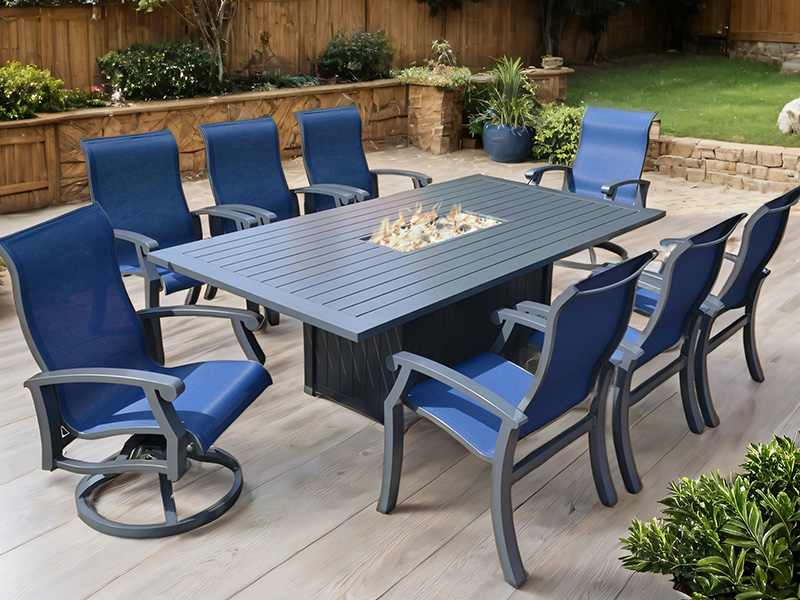
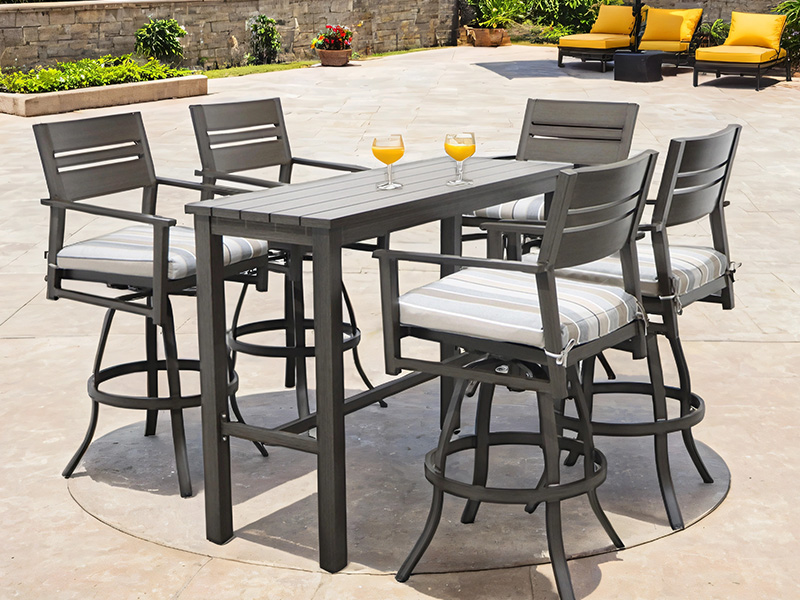
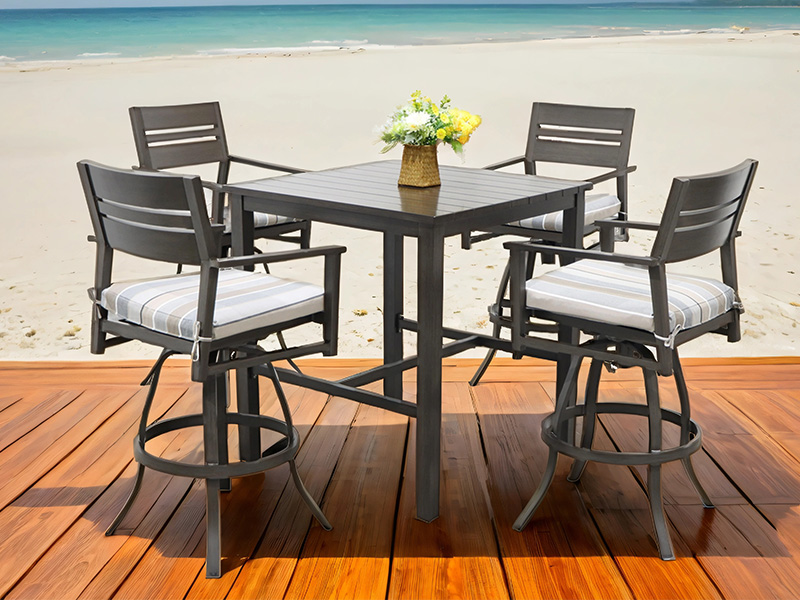
After comprehensive testing and practical application analysis, the aluminum bench stands out as the most durable, low-maintenance, and cost-effective outdoor seating solution. It outperforms wood, plastic, and steel benches in weather resistance, lifespan, and long-term usability, making it suitable for residential, commercial, and public spaces alike.
The core advantages can be summarized in one sentence: an aluminum bench can maintain its structural integrity and aesthetic appearance for over 15 years with minimal upkeep, even when exposed to extreme sunlight, heavy rain, snow, and coastal salt air. This level of performance is unmatched by most traditional outdoor bench materials, which is why it has become the top selection for parks, patios, gardens, transit stations, and commercial outdoor areas worldwide.
Aluminum is a lightweight non-ferrous metal widely used in outdoor furniture manufacturing, and its inherent physical and chemical properties create unique value for bench products. Unlike other materials, aluminum forms a natural oxide film on the surface when exposed to air, which acts as a protective barrier against corrosion and deterioration.
Corrosion is the biggest threat to outdoor furniture, especially in coastal, high-humidity, or winter de-icing salt environments. Aluminum benches are completely immune to rust, which is a common issue with iron and steel benches. Even in coastal areas with high salt content, the service life of an aluminum bench exceeds 10 years without surface rust or structural decay.
This corrosion resistance eliminates the need for frequent anti-rust treatments, saving both time and maintenance costs for long-term use. For public facilities that require continuous outdoor placement, this feature is critical to ensuring functional and visual consistency.
Aluminum has a much lower density than steel and iron, making aluminum benches easy to move and reposition. Despite its light weight, it offers excellent load-bearing capacity. A standard aluminum bench can safely support a total weight of over 500 kilograms, easily accommodating multiple adults at the same time.
This combination of light weight and strength brings practical convenience: residential users can move the bench to follow sunlight or shade, while facility managers can quickly rearrange layouts for events or cleaning without heavy equipment.
Aluminum performs stably across extreme temperature ranges. It does not crack, warp, or become brittle in sub-zero winter temperatures, nor does it soften, fade, or deform in high-temperature summer sunlight. Unlike wooden benches that expand and contract with moisture changes, aluminum maintains its original shape and size year-round.
This stability ensures that the bench remains comfortable and safe to use in all seasons. There are no loose joints, splinters, or uneven surfaces caused by weathering, which greatly enhances the user experience and safety.
To fully understand the superiority of aluminum benches, we compare them with three common outdoor bench materials: wood, plastic, and steel. The comparison covers durability, maintenance, weather resistance, and long-term cost to provide a clear reference for selection.
| Material Type | Service Life | Maintenance Required | Weather Resistance |
|---|---|---|---|
| Aluminum | 15+ Years | Minimal | Excellent |
| Solid Wood | 3-8 Years | High | Moderate |
| Plastic | 2-5 Years | Low | Poor |
| Steel | 5-10 Years | Medium | Low |
From the comparison table, aluminum benches rank first in overall performance. The service life of aluminum benches is more than twice that of wooden and steel benches and three times that of plastic benches. The long-term cost of ownership is significantly lower because there is no need to replace or repair the bench frequently over the years.
Wooden benches require annual sealing, painting, and pest control; plastic benches become brittle and break under UV exposure; steel benches rust quickly and need regular sanding and repainting. In contrast, aluminum benches only need simple cleaning to maintain their condition, making them the most economical choice in the long run.
Modern aluminum benches are not limited to functional design; they integrate diverse aesthetic styles to match different environmental themes. The malleability of aluminum allows manufacturers to create various shapes, textures, and color options, satisfying both practical and decorative needs.
Aluminum benches are highly versatile and adapt to almost all outdoor environments. In public parks and community green spaces, they provide resting spots for visitors and residents, withstanding high daily usage and harsh weather. Over 70% of newly built public parks choose aluminum benches as their primary outdoor seating due to their reliability and low maintenance.
For residential use, aluminum benches enhance garden and patio spaces. They fit perfectly in backyard seating areas, poolside decks, and front porch spaces, adding functional seating without compromising visual appeal. Homeowners benefit from their light weight and weather resistance, enjoying year-round use without heavy maintenance work.
Commercial and public facilities, including transit stations, shopping mall outdoor plazas, hospital gardens, and school campuses, also rely heavily on aluminum benches. These areas require furniture that can handle heavy foot traffic, resist vandalism, and maintain a clean appearance. Aluminum’s sturdy structure and damage resistance make it the ideal solution for high-traffic commercial settings.
Coastal residential areas and beachfront public spaces are another major application scenario. The salt-resistant property of aluminum prevents corrosion from sea breeze and saltwater spray, a challenge that destroys iron and steel furniture within a short time. Even in these extreme environments, aluminum benches maintain their quality and appearance for many years.
While raw aluminum has natural corrosion resistance, modern aluminum benches use professional surface treatment processes to further improve durability, scratch resistance, and aesthetic diversity. These treatments extend the lifespan and expand the decorative possibilities of the bench.
Powder coating is the industry standard for high-quality aluminum benches. This electrostatic coating process creates a hard, uniform finish that is more durable than traditional liquid paint. Powder-coated aluminum benches resist chipping, scratching, fading, and peeling for 10+ years, even with constant exposure to direct sunlight.
This process is eco-friendly and produces no harmful emissions, while providing a wide range of color choices. The coating adheres tightly to the aluminum surface, creating a protective layer that enhances the natural corrosion resistance of the metal.
Anodizing is an electrochemical process that thickens the natural oxide layer on aluminum. It creates a sleek, metallic silver finish that highlights the modern texture of aluminum. Anodized benches are highly resistant to scratches and have a permanent protective layer that does not peel or flake off.
This finish is ideal for minimalist and industrial-style outdoor spaces, offering a clean, professional look that complements modern architectural designs.
Aluminum benches can be produced in dozens of colors to match any environment. Neutral colors like black, gray, and silver are popular for public spaces due to their versatility and ability to hide dirt. Earth tones such as brown, bronze, and green blend naturally with garden and park landscapes. Bright colors are available for recreational areas and children’s spaces to create a vibrant atmosphere.
All color options are UV-stabilized to prevent fading. Even after 5 years of continuous outdoor use, the color difference is barely noticeable, maintaining the visual appeal of the bench for its entire service life.
One of the biggest advantages of aluminum benches is their ultra-low maintenance requirements. Unlike other materials that demand regular care, aluminum benches only need basic cleaning to stay in perfect condition. The following simple steps ensure long-term performance and appearance.
For regular upkeep, wipe the bench surface with a soft cloth or a sponge dipped in clean water. This removes dust, pollen, and light dirt. For stubborn stains, add a small amount of mild neutral soap to the water. Avoid harsh chemicals, abrasives, or steel wool, as these can scratch the surface coating.
Rinse the bench with clean water after cleaning and let it air dry. This quick process takes only a few minutes and keeps the bench looking clean and fresh.
Once or twice a year, perform a thorough deep cleaning to remove accumulated grime, mold, or mildew. Use a solution of warm water and mild detergent, and scrub gently with a soft-bristled brush. Pay attention to crevices and slatted areas where dirt may collect.
After cleaning, rinse thoroughly to remove all soap residue. This seasonal maintenance prevents long-term buildup and preserves the protective surface coating.
Following this maintenance routine can extend the effective service life of an aluminum bench to over 20 years, making it one of the most durable and hassle-free outdoor furniture investments available.
In today’s eco-conscious world, the environmental impact of furniture is an important consideration. Aluminum benches excel in sustainability due to the recyclable nature of aluminum and their long service life.
Aluminum is 100% recyclable without any loss of quality. Recycling aluminum uses only 5% of the energy required to produce new aluminum from raw materials, making it one of the most sustainable metals available. At the end of its long service life, an aluminum bench can be completely recycled and made into new products, reducing waste and environmental burden.
The long lifespan of aluminum benches also contributes to sustainability. Shorter-lived furniture requires frequent replacement, leading to more resource consumption and waste generation. By choosing an aluminum bench that lasts for decades, you reduce the need for repeated manufacturing and disposal, lowering your overall environmental footprint.
Additionally, the low maintenance requirements mean fewer chemical cleaners, paints, and treatments are used over the bench’s life. This reduces chemical runoff into soil and water systems, further supporting eco-friendly outdoor spaces.
To select the best aluminum bench for your needs, consider these practical factors that impact comfort, durability, and suitability for your space.
Choose benches with thick, reinforced aluminum frames for maximum stability. A sturdy frame prevents wobbling and increases weight capacity. Benches with welded joints offer stronger structural integrity than bolted models for long-term heavy use.
Measure your available space to determine the appropriate bench length. Standard sizes accommodate 2 to 5 people. Ensure the bench fits comfortably in your space while leaving room for movement and accessibility.
Look for ergonomic seat and backrest angles for enhanced comfort. Slatted designs provide ventilation, making sitting more comfortable in hot weather. Some models include compatible seat cushions for additional softness without compromising weather resistance.
Select benches with high-quality powder coating or anodized finishes. A smooth, uniform finish indicates good craftsmanship and ensures long-term protection against weather and scratches.
After exploring all aspects of aluminum benches, their unmatched advantages confirm them as the premier choice for outdoor seating. The combination of exceptional durability, weather resistance, low maintenance, aesthetic versatility, and environmental sustainability makes them superior to all other material options.
An aluminum bench delivers reliable performance for 15 to 20 years with minimal care, outlasting and outperforming wooden, plastic, and steel benches. It adapts to all climates, from sunny deserts to snowy mountains and coastal regions, without corroding, fading, or deteriorating.
Whether for residential gardens, public parks, commercial plazas, or institutional facilities, the aluminum bench provides a perfect balance of function, style, and economy. It is a wise long-term investment that combines practicality, comfort, and visual appeal for any outdoor space.
By choosing an aluminum bench, you select a furniture solution that meets current needs while supporting sustainable living and reducing long-term costs. It is a decision that brings value, comfort, and reliability for decades to come.
Sep 25, 2025-BY ADMIN

Sep 25, 2025-BY ADMIN
Sep 25, 2025-BY ADMIN
Sep 25, 2025-BY ADMIN




 English
  Français
  Español
  Deutsch
  عربى
عربى