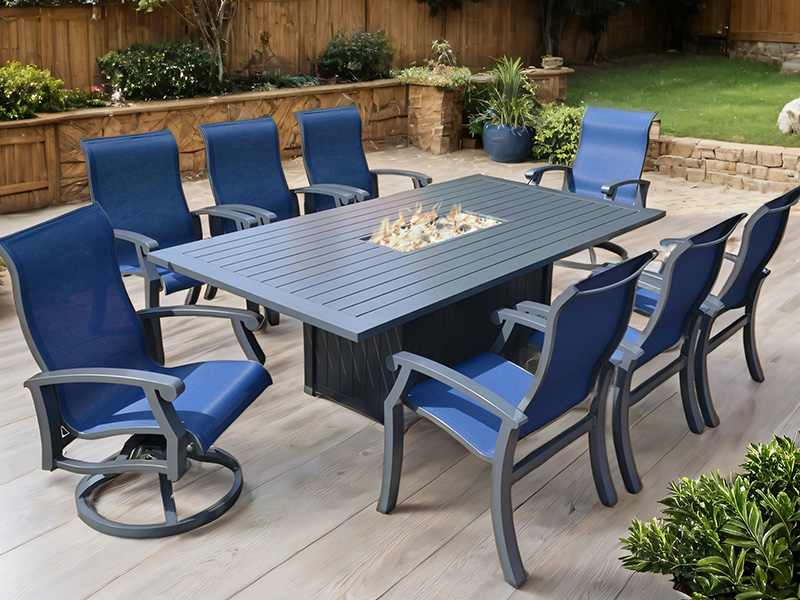
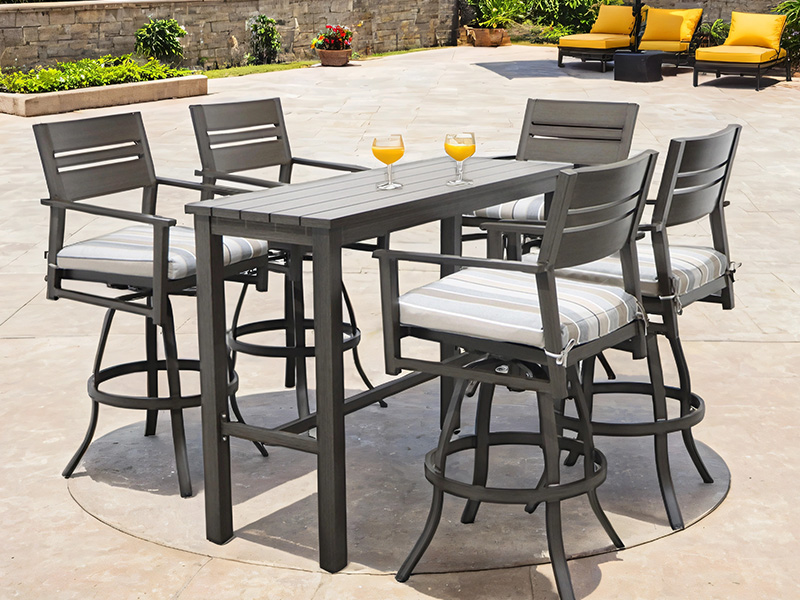
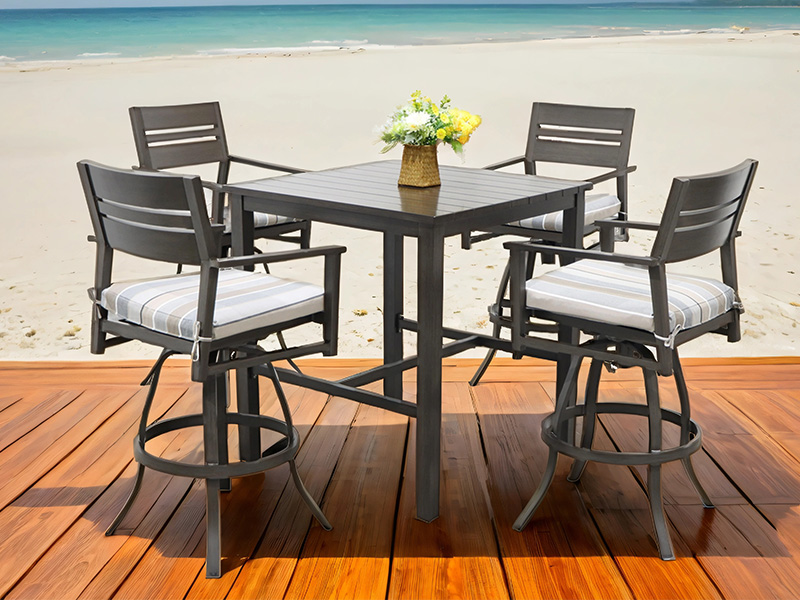
If you want to turn your patio into a relaxing spot for meals, casual chats and small parties, prioritizing a suitable patio dining table is the most critical step. Material durability, size matching and style coordination are the three core factors that determine the long-term use effect and comfort of the table. A qualified patio dining table can adapt to various outdoor weather conditions, fit the space layout perfectly, and blend in with the overall outdoor decoration style, bringing both practicality and aesthetic feeling to your patio.
Many people overlook the matching between the table and the actual usage scenarios when choosing patio dining tables, which leads to problems such as insufficient space, rapid aging of the table surface or poor use experience after placement. Whether you use the patio dining area for daily family meals, weekend friend gatherings or simple leisure afternoon tea, targeted selection and collocation can greatly improve the overall experience. The following content will elaborate on material classification, size selection, mainstream styles, layout plans and daily maintenance of patio dining tables, helping you make a rational choice and use the outdoor dining table properly.
The outdoor environment is affected by sunlight, rain, wind and temperature changes all year round, so the material of the patio dining table directly decides its service life and maintenance difficulty. Different materials have distinct advantages and applicable scenarios, and you can pick according to the local climate and your own maintenance habits.
Natural wood tables feature warm texture and natural grain, which can create a cozy and rustic atmosphere for the patio. Most solid wood used for outdoor furniture has undergone special anti-corrosion and anti-mold treatment. High-quality treated wood can maintain a good state for many years under normal outdoor conditions. This kind of table is suitable for courtyards and covered patios with partial shading. It should be noted that pure solid wood needs regular waxing and waterproof coating to avoid cracking, fading or mildew caused by long-term exposure to rain and strong sunlight.
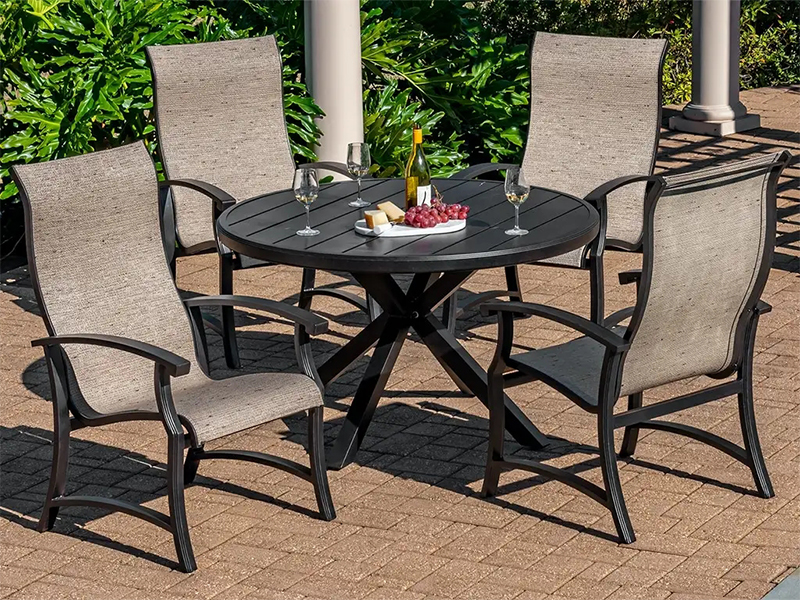
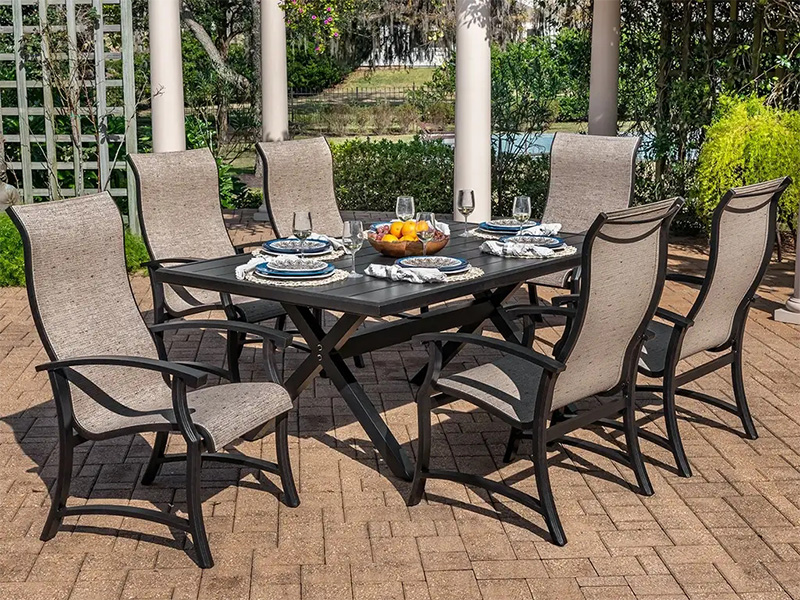
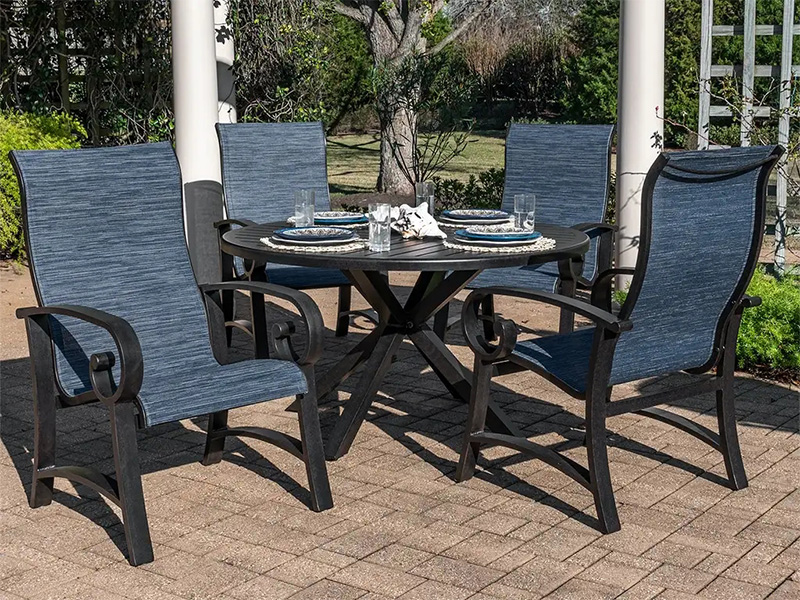
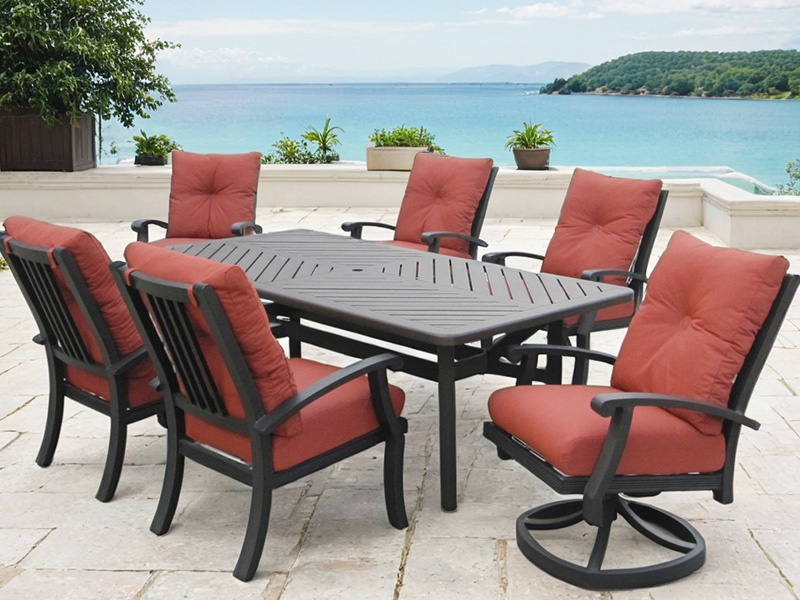
Metal materials including aluminum and wrought iron are widely used in outdoor dining tables. Such tables are lightweight, sturdy and not easy to deform, and they have excellent waterproof and anti-rust performance after surface spraying treatment. They basically do not need complex daily maintenance, and can adapt to fully open patios exposed to wind and sun all day long. The appearance of metal tables is relatively versatile, which can match modern, minimalist and industrial-style outdoor decorations. A small shortcoming is that the table surface will feel hot when exposed to strong summer sunlight for a long time.
Synthetic rattan has replaced traditional natural rattan and become the mainstream choice for outdoor rattan dining tables. It is resistant to ultraviolet rays, not easy to break or fade, and has good flexibility. The woven structure brings a light and elegant visual effect, which is favored by people who like leisure and vacation-style spaces. Rattan dining tables are mostly paired with matching rattan chairs, forming a unified set of outdoor furniture. They are suitable for small and medium-sized patios, and the soft visual sense can make the narrow space look more relaxed.
Stone table tops and high-density composite boards are famous for their super durability. The surface is flat, wear-resistant, high-temperature resistant and easy to clean. Spilled drinks and food residues can be wiped off with a damp cloth in a few seconds. Such tables have a stable structure and strong bearing capacity, and are very suitable for families with frequent outdoor dining and gatherings. The main feature is the relatively heavy weight, so it is not convenient to move frequently, and it is more suitable for fixed patio dining areas.
| Material Type | Weather Resistance | Maintenance Difficulty | Overall Style |
|---|---|---|---|
| Treated Wood | Medium | Medium | Rustic, Warm |
| Metal | High | Low | Modern, Simple |
| Synthetic Rattan | High | Low | Leisure, Vacation |
| Stone & Composite Board | High | Low | Stable, Atmospheric |
The size and shape of the patio dining table must match the area of the patio and the number of regular users. A table that is too large will crowd the space and block walking passages, while an overly small table cannot meet the dining and activity needs. Combining space size, number of people and usage habits to select the shape and size is the key to comfortable use.
For small-sized patios with limited floor area, compact dining tables are the best choice. Such tables will not occupy too much space and can ensure smooth walking around. For medium and large patios, you can choose a moderately sized table to leave enough activity space while meeting the dining needs. It is recommended to reserve a sufficient moving space around the dining table, so that people can pull out chairs and walk freely without feeling cramped.
A single patio dining table cannot form a complete outdoor dining area. Reasonable collocation with chairs, decorations and surrounding landscapes can upgrade the overall aesthetic and comfort. Different decoration styles can show different temperament, and you can match them according to your personal preference and the style of the house exterior.
Most people prefer to buy matching table and chair sets, which can ensure the unity of material, color and style, and save the trouble of separate collocation. If you pursue personalized design, you can also mix and match in the same color system. For example, match metal dining tables with simple fabric chairs, or match rattan tables with soft cushion chairs. It should be noted that the height of the chair must match the table, to avoid uncomfortable posture during dining.
In addition to tables and chairs, you can also add sunshade facilities above the patio dining area. A reasonable sunshade can block strong sunlight and light rain, greatly extending the available time of the patio dining table throughout the day.
Even the most durable patio dining table needs regular maintenance to maintain its appearance and performance. Scientific maintenance can effectively delay aging, reduce wear and prolong the service life of the furniture. Different materials have targeted maintenance methods, and daily simple care can avoid many common faults.
For most patio dining tables, daily cleaning only needs a soft cloth dipped in clean water to wipe the table surface. For stubborn stains, you can use mild neutral detergent, and wipe dry with a clean cloth after cleaning. Do not use strong acid or alkali cleaners, which will corrode the surface coating of wood, metal and rattan tables, causing fading and peeling. Clean up food residues and spilled liquids in time, to prevent long-term erosion on the table surface.
In rainy seasons and humid areas, pay attention to drainage around the table. For wooden tables, do a waterproof inspection regularly and supplement waterproof coating if necessary. In hot summer with strong ultraviolet rays, long-term direct exposure will accelerate the aging of rattan and wooden materials. You can use outdoor protective covers or sunshade facilities to block direct sunlight. In cold seasons with frost and snow, clean the snow and frost on the table surface in time to prevent the material from being damaged by low temperature.
Check the firmness of table legs, connectors and table surface regularly. If loose screws are found, fasten them in time. For slight scratches on the wooden table surface, professional wood repair products can be used for minor treatment. For rattan tables with loose weaving, tidy up the woven lines in time to prevent further damage. Timely handling of small problems can avoid larger damage and save the cost of replacement.
Sep 25, 2025-BY ADMIN

Sep 25, 2025-BY ADMIN
Sep 25, 2025-BY ADMIN
Sep 25, 2025-BY ADMIN




 English
  Français
  Español
  Deutsch
  عربى
عربى