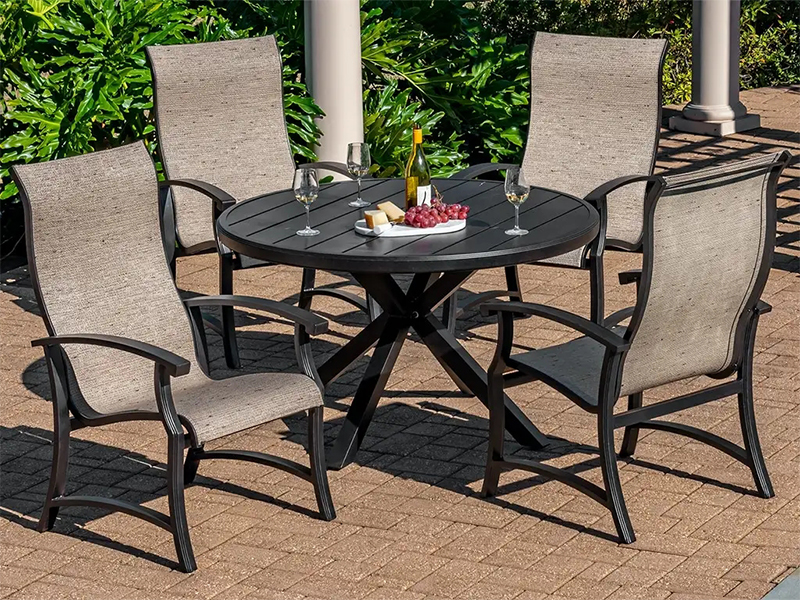
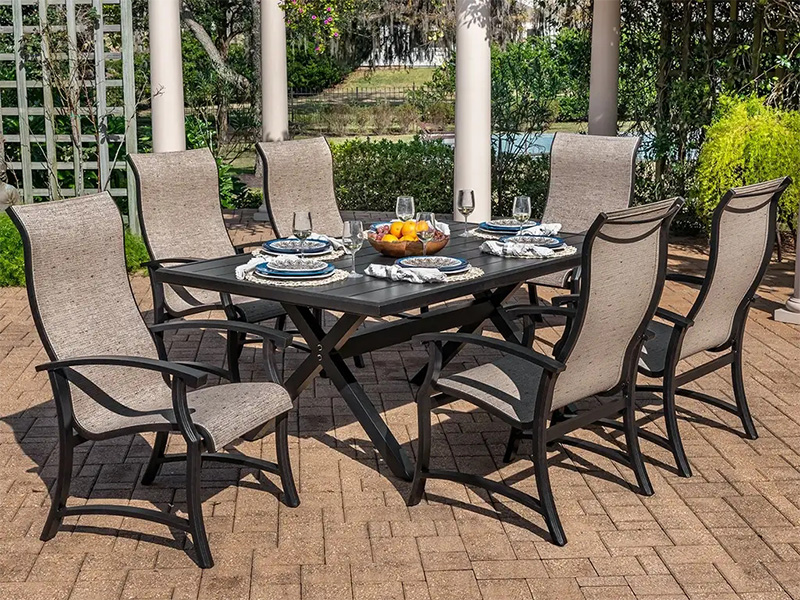
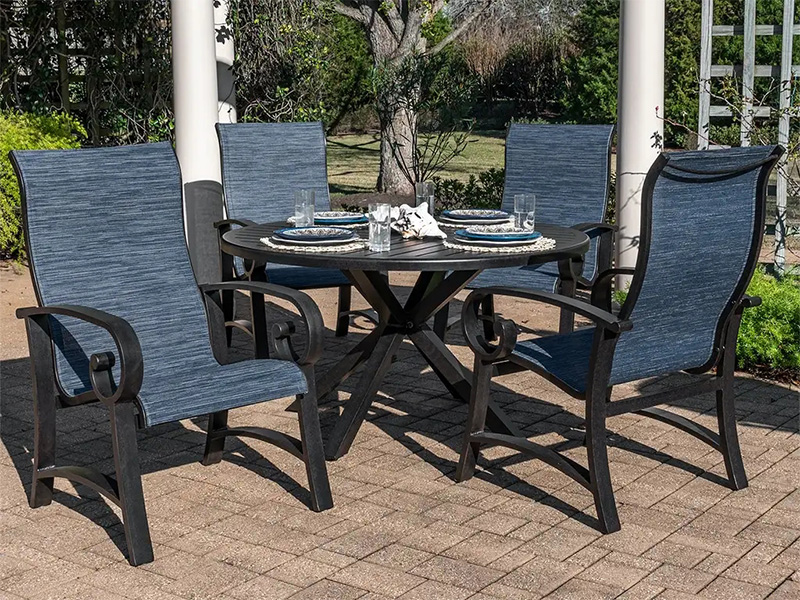
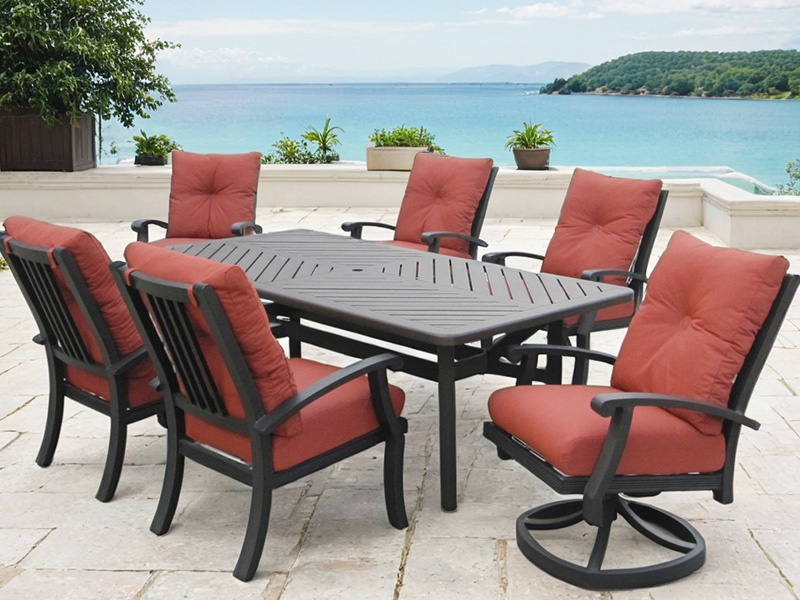
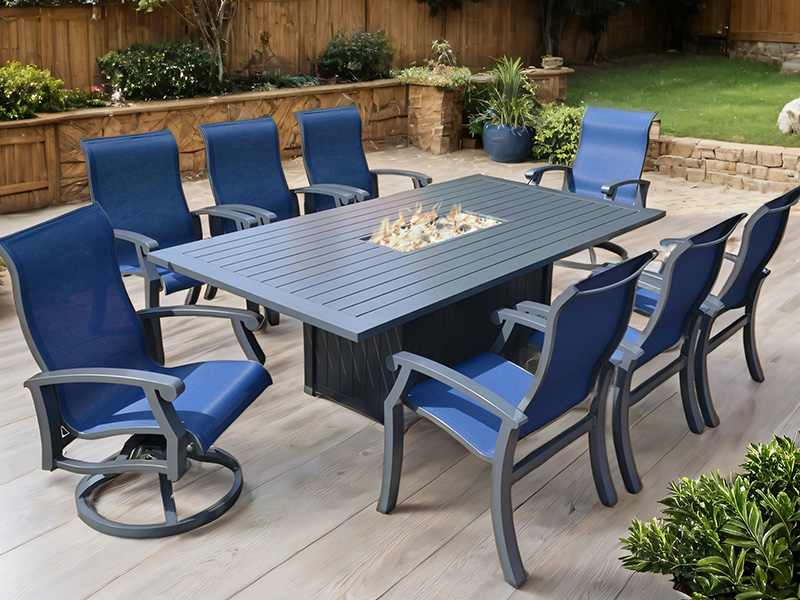
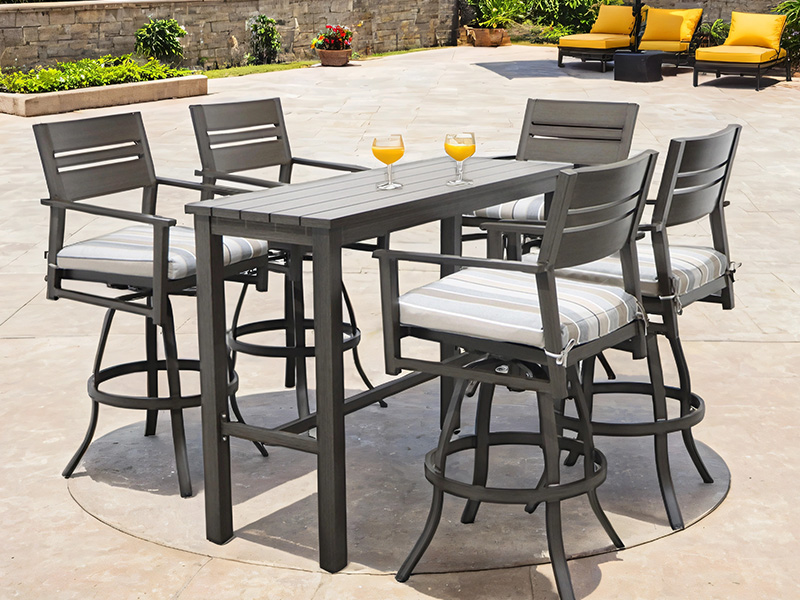
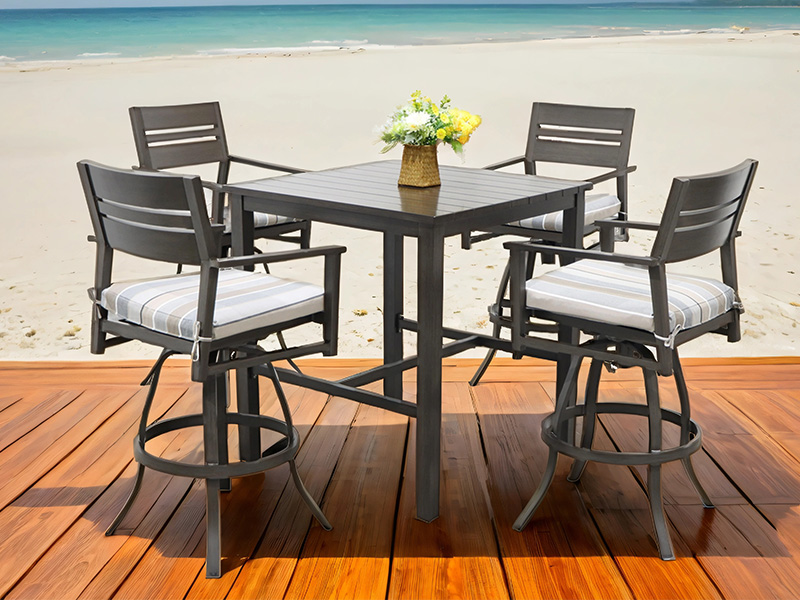
Aluminum outdoor sectionals provide the perfect combination of structural durability, weather resistance, and design versatility, making them the most practical and long-lasting investment for any outdoor living space. Unlike other materials that degrade, warp, or require constant upkeep, aluminum offers a worry-free foundation for outdoor relaxation. When selecting patio furniture, homeowners often face a trade-off between aesthetic appeal and longevity. Aluminum eliminates this compromise, allowing you to enjoy sophisticated modular designs without the fear of environmental damage. Its inherent properties address the core challenges of outdoor living, delivering a reliable, comfortable, and stylish solution that stands the test of time.
To appreciate why aluminum is so highly regarded for outdoor sectionals, it is essential to understand how it compares to alternative materials on the market.
Steel is undeniably strong, but it is highly susceptible to rust when its protective coating is scratched or chipped, leading to structural decay. Wicker, especially natural wicker, is prone to fading, cracking, and unraveling under prolonged sun and moisture exposure. Aluminum, on the other hand, does not rust. When exposed to oxygen and moisture, aluminum forms a microscopic layer of aluminum oxide on its surface, which actually protects the metal beneath from further oxidation. This natural self-protecting mechanism ensures that aluminum sectionals maintain their structural integrity for years, even in harsh coastal environments.
When shopping for aluminum outdoor sectionals, you will encounter two primary manufacturing methods: extruded and cast. Extruded aluminum is forced through a die to create hollow, tubular shapes. This makes the furniture incredibly lightweight and easy to rearrange, which is ideal for modular sectionals that you might want to reconfigure frequently. Cast aluminum is poured into a mold, resulting in solid, intricate designs often found in traditional or ornate styling. While cast aluminum is heavier and less likely to be blown over by strong winds, extruded aluminum is the standard for modern sectionals due to its sleek profiles and practical maneuverability.
Outdoor furniture must endure relentless environmental stressors, from scorching UV rays to freezing rain. Aluminum sectionals are engineered to survive these conditions without compromising their appearance or function.
For those living near the ocean, salt spray is the ultimate enemy of outdoor furniture. Salt accelerates the oxidation process in iron and steel, causing rapid rusting. Because aluminum does not contain iron, it cannot rust. Homeowners in coastal regions consistently find that aluminum sectionals outlast and outperform other metals, retaining their structural stability where steel frames would fail entirely. While the bare metal might oxidize slightly, resulting in a dulled finish, this patina does not eat away at the frame the way rust consumes steel.
Extreme heat and cold cause many materials to expand and contract, leading to warped wood or cracked plastic. Aluminum handles thermal fluctuations exceptionally well. It expands and contracts minimally under temperature shifts, ensuring that joints remain tight and frames stay true over years of seasonal changes. Additionally, the powder-coated finishes applied to aluminum are baked on at high temperatures, creating a UV-resistant shell that prevents fading, peeling, or blistering even under constant sun exposure.
Sectionals are chosen for their ability to transform a patio into a true living room. Aluminum frames provide the strength required to support large, expansive configurations without the bulk.
The beauty of an aluminum sectional lies in its modularity. A typical set includes armless chairs, corner pieces, and ottomans that can be arranged to fit any space. Because aluminum is much lighter than steel or dense hardwoods, rearranging your patio layout for a party or a quiet evening is a simple task. You can easily transition from a large L-shaped sofa for entertaining to separate conversational chairs for intimate gatherings.
Aluminum’s malleability allows manufacturers to create a wide range of designs. Whether your home features a sleek, minimalist modern aesthetic or a more traditional, curved silhouette, aluminum frames can be crafted to match. The powder-coating process further expands design options, offering finishes that mimic natural wood grains, provide textured matte looks, or deliver high-gloss contemporary sheens. This ensures your sectional enhances, rather than detracts from, your exterior decor.
While the frame provides the foundation, the comfort of an aluminum sectional relies heavily on its ergonomic design and cushion quality. Unlike rigid metal chairs of the past, modern aluminum sectionals are built for deep seating and prolonged relaxation.
Deep seating design is a hallmark of quality outdoor sectionals. Aluminum frames are engineered with a lower seat angle and greater depth, allowing for a natural, lounging posture. This design accommodates thick, plush cushions that provide the kind of comfort typically reserved for indoor furniture. The rigidity of the aluminum frame ensures that the seats do not sag over time, providing consistent support for the cushions.
The cushions on an aluminum sectional must be as resilient as the frame. Look for cushions made from solution-dyed acrylic or specialized outdoor polyester blends. These fabrics are designed to resist mold, mildew, and UV fading. The filling is equally important; quick-drying foam cores wrapped in moisture-wicking batting allow water to drain rapidly, preventing the interior from becoming waterlogged after a rainstorm. Choosing cushions with these high-performance fabrics ensures your seating remains dry, comfortable, and vibrant season after season.
One of the most compelling reasons to invest in aluminum outdoor sectionals is the minimal effort required to keep them looking pristine. While wood needs annual sealing and steel requires rust-proofing, aluminum demands very little attention.
Keeping your aluminum sectional in top condition requires only basic household items. For regular upkeep, simply rinse the frame with a garden hose to remove loose dirt and dust. For a deeper clean, a mixture of mild dish soap and warm water applied with a soft-bristle brush will remove stubborn grime without scratching the powder-coated finish. It is important to avoid abrasive cleaners, steel wool, or pressure washers, as these can strip the protective coating and void warranties.
Although the powder-coated finish is highly durable, it can be chipped by heavy impacts. If a chip does occur, it is essential to touch it up promptly to prevent the exposed metal from oxidizing. Automotive touch-up paint or a specialized metal primer can seal the area. To maintain the luster of the frame, applying a thin coat of automotive wax once a year can add an extra layer of protection against environmental pollutants and make future cleaning even easier.
When evaluating outdoor furniture, the initial purchase price is only part of the equation. The true cost must factor in maintenance, replacement frequency, and overall longevity.
Cheap plastic or low-quality steel furniture may seem like a bargain initially, but the expense adds up when it needs to be replaced every few years. Wood furniture requires ongoing investments in sealants and stains. While premium aluminum sectionals represent a higher upfront investment, their exceptional lifespan often exceeds a decade with proper care, making them significantly more cost-effective over time. You are paying once for enduring quality rather than repeatedly replacing failing furniture.
For environmentally conscious consumers, aluminum offers a distinct advantage. It is one of the most recyclable materials on the planet. In fact, nearly a significant majority of all aluminum ever produced is still in use today. When an aluminum frame eventually reaches the end of its life cycle, it can be recycled indefinitely without losing its quality or strength. Choosing aluminum sectionals supports a circular economy and reduces the demand for raw material extraction, making it a responsible, eco-friendly choice for your outdoor space.
Sep 25, 2025-BY ADMIN

Sep 25, 2025-BY ADMIN
Sep 25, 2025-BY ADMIN
Sep 25, 2025-BY ADMIN




 English
  Français
  Español
  Deutsch
  عربى
عربى