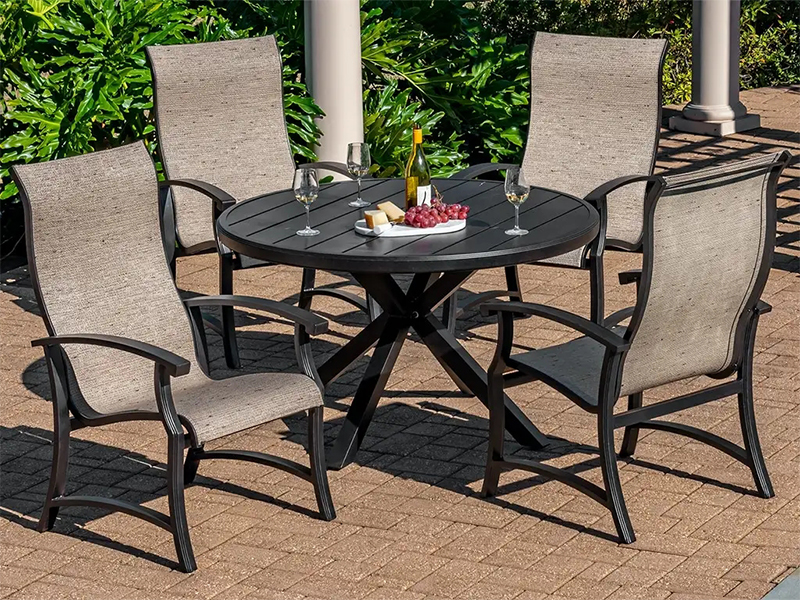
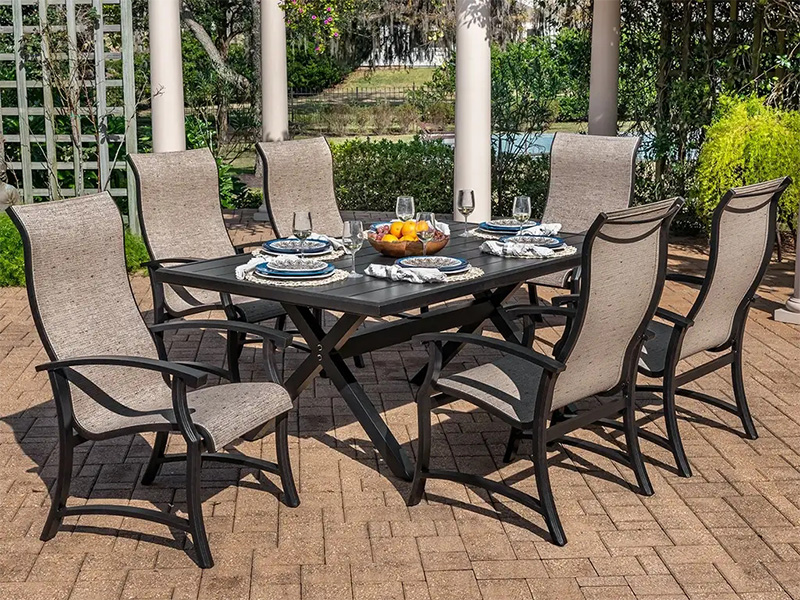
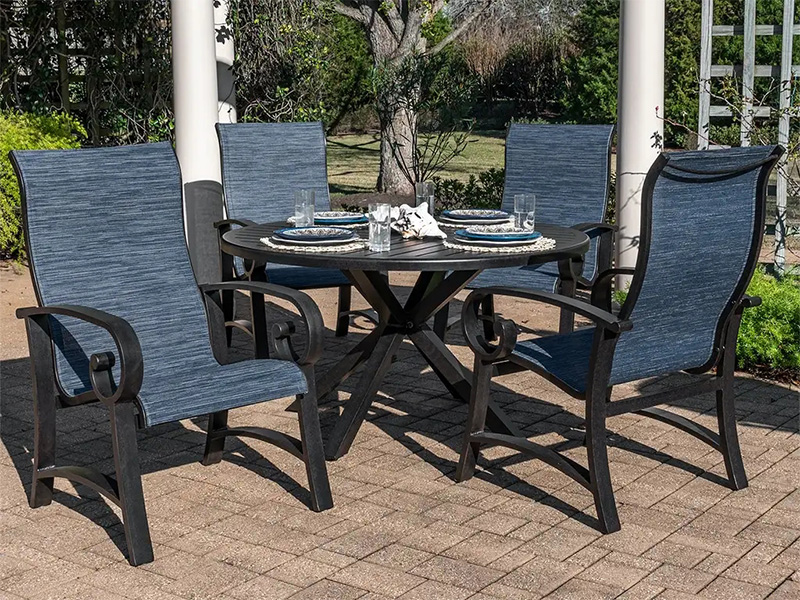
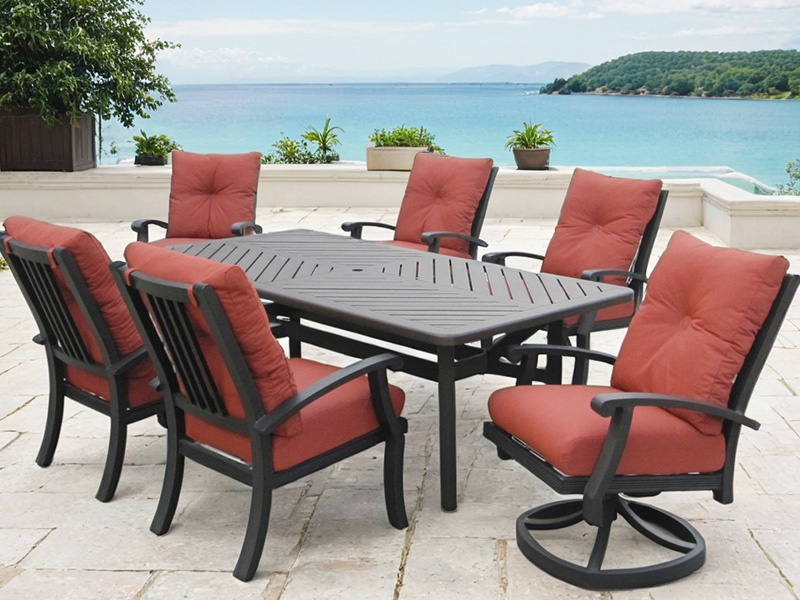
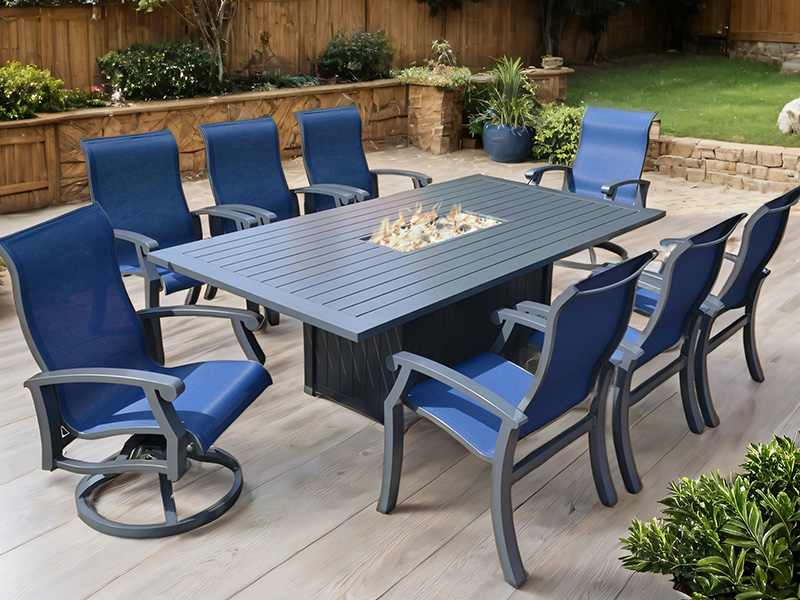
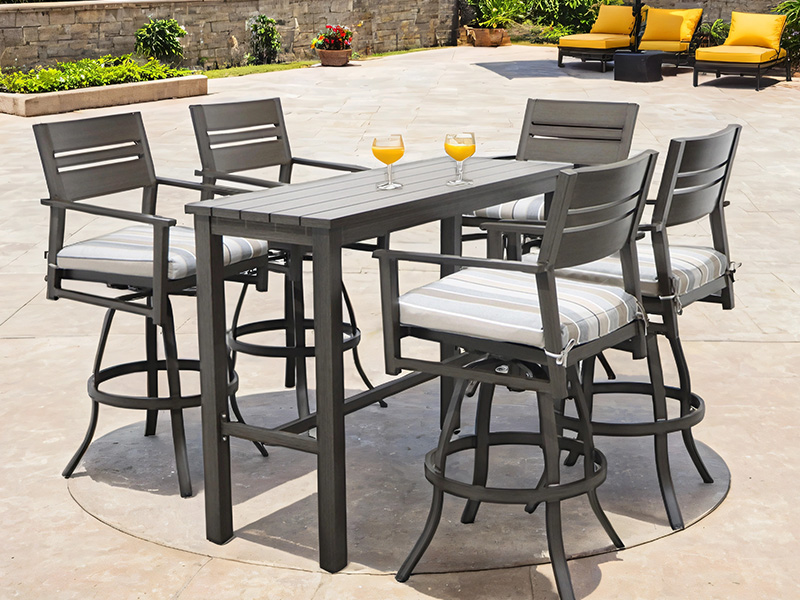
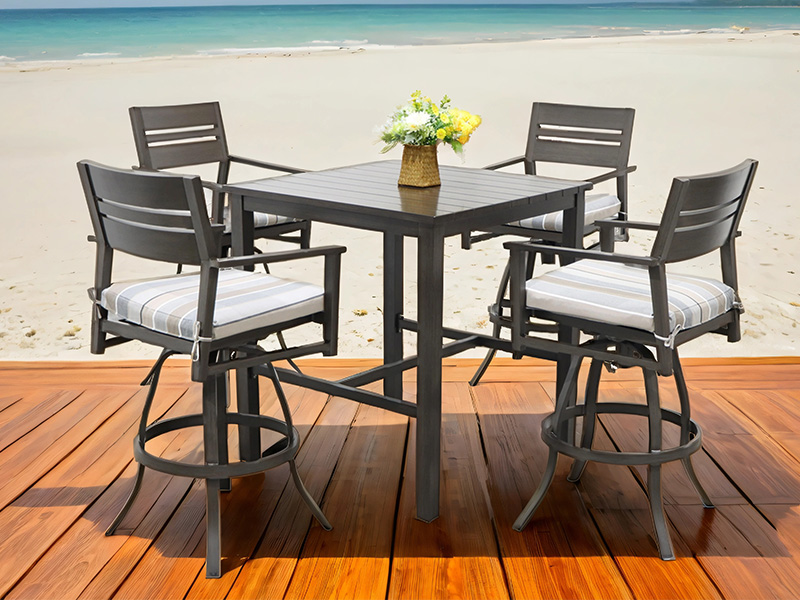
In modern home design, utilizing outdoor space has become a crucial element in enhancing quality of life. With increasing attention paid to leisure and social environments, the Patio Dining Table has gradually become an indispensable furniture element in outdoor living. Whether in a spacious garden, balcony, or terrace, a high-quality Patio Dining Table not only serves as a space for family gatherings and meals with friends but also significantly reflects the overall aesthetics of the outdoor space.
When choosing a Patio Dining Table, the design concept is the primary consideration. Outdoor furniture must not only meet functional requirements but also harmonize with the surrounding environment. Modern Patio Dining Tables often adopt a minimalist and natural design style, integrating natural elements with a comfortable experience through the combination of lines, colors, and materials. Material selection is particularly critical, directly affecting the table's durability, ease of maintenance, and overall aesthetic appeal.
In terms of materials, high-grade wood, aluminum alloy, steel, and synthetic materials are common choices on the market. Wood gives the Patio Dining Table a natural, warm feel, but requires regular maintenance to prevent weathering and cracking. Metal materials such as aluminum alloy and stainless steel offer higher corrosion resistance and weather resistance, making them suitable for long-term outdoor use. High-quality synthetic materials, on the other hand, combine lightweight, durability, and easy cleaning, maintaining stable performance in various climates. A well-chosen combination of materials allows the Patio Dining Table to achieve the optimal balance between aesthetics and functionality.
The size of the Patio Dining Table directly impacts the efficiency and comfort of outdoor spaces. Choosing a suitable table size not only ensures dining comfort but also makes outdoor spaces appear more spacious and organized. Designers typically adjust the table's length-to-width ratio and shape based on the actual area of the space and the number of users to achieve a balance between functionality and aesthetics.
Layout design is also a crucial aspect of outdoor dining tables. The Patio Dining Table should consider pedestrian flow, visibility, and its relationship with other furniture. A well-planned layout not only enhances the dining experience but also strengthens the visual hierarchy of the overall space. With careful planning, the Patio Dining Table can become the focal point of an outdoor area, creating a warm, comfortable, and stylish social setting.
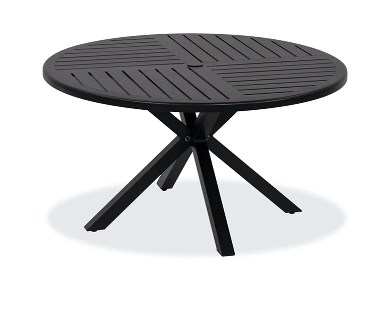
Modern Patio Dining Tables not only emphasize aesthetics but also functionality and comfort. The tabletop design must balance dining needs, ease of item placement, and ease of cleaning and maintenance. Weather-resistant, waterproof, and stain-resistant tabletop materials maintain stable performance under various climatic conditions, extending their lifespan. Simultaneously, ergonomic design principles are increasingly incorporated into the development of outdoor dining tables, providing users with a more comfortable dining experience.
Regarding comfort, the height and proportions of the table and chairs must be scientifically balanced to ensure that each user does not experience fatigue during extended meals or gatherings. Combined with soft and supportive outdoor chairs, the Patio Dining Table provides an ideal dining environment for family and friends gatherings, making outdoor dining not just a functional need but a pleasant lifestyle.
The Patio Dining Table is not only a functional piece of furniture but also an important component of the aesthetics of outdoor spaces. The harmony of color, material, and shape can create a unique visual experience, adding style to the entire courtyard or terrace. Natural-style Patio Dining Tables often use wood or wood-like materials with warm tones, complementing greenery and flowers to create a comfortable and relaxing atmosphere. Modern minimalist styles tend to use metal and glass, with clean, crisp lines, creating a stylish and bright outdoor space.
The role of the Patio Dining Table in the overall landscape design is also crucial. By combining it with outdoor lighting, decorative plants, and ground paving, the table can become the visual center of the space, attracting attention and guiding the flow of movement. A well-planned visual layout not only enhances aesthetics but also strengthens the interactivity and comfort of outdoor activities.
Any high-quality Patio Dining Table requires proper maintenance to extend its lifespan. Regular cleaning, avoiding prolonged exposure to extreme weather, and appropriate protective measures are key to maintaining the table's performance and appearance. Wooden tables can be protected against weathering by applying waterproof oil or protective paint, while metal tables require rust prevention treatment and regular wiping. While synthetic material tables are easy to maintain, they still need to be protected from scratches by sharp objects and prolonged exposure to direct sunlight to prevent fading.
The Patio Dining Table is not only a tool for outdoor dining but also an important symbol of the modern outdoor lifestyle. Through careful selection of materials, reasonable dimensions, a focus on functional comfort, and aesthetic expression, the Patio Dining Table provides an ideal spatial experience for family and social activities. In today's pursuit of a high-quality life, an excellent Patio Dining Table not only meets dining needs but also adds style and enjoyment to outdoor living. Whether for casual gatherings or everyday meals, the Patio Dining Table will become an irreplaceable core element in outdoor spaces.
Sep 25, 2025-BY ADMIN

Sep 25, 2025-BY ADMIN
Sep 25, 2025-BY ADMIN
Sep 25, 2025-BY ADMIN




 English
  Français
  Español
  Deutsch
  عربى
عربى