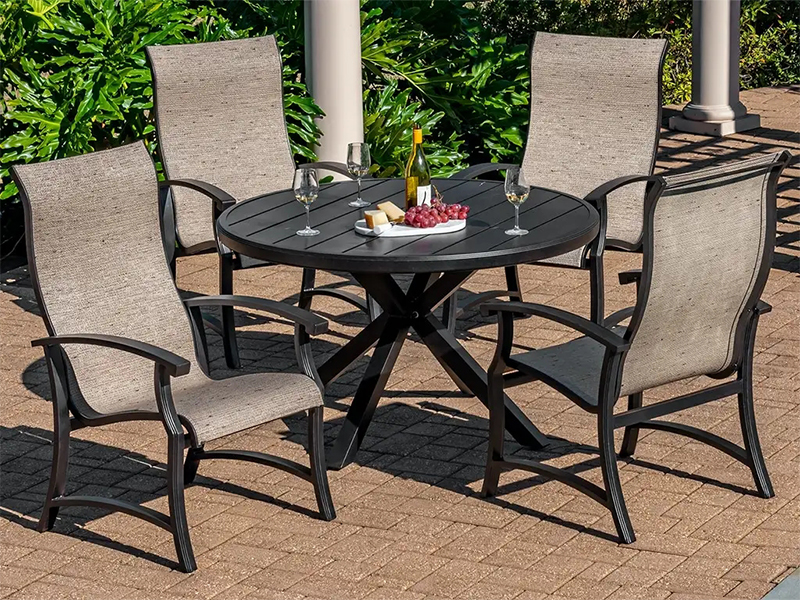
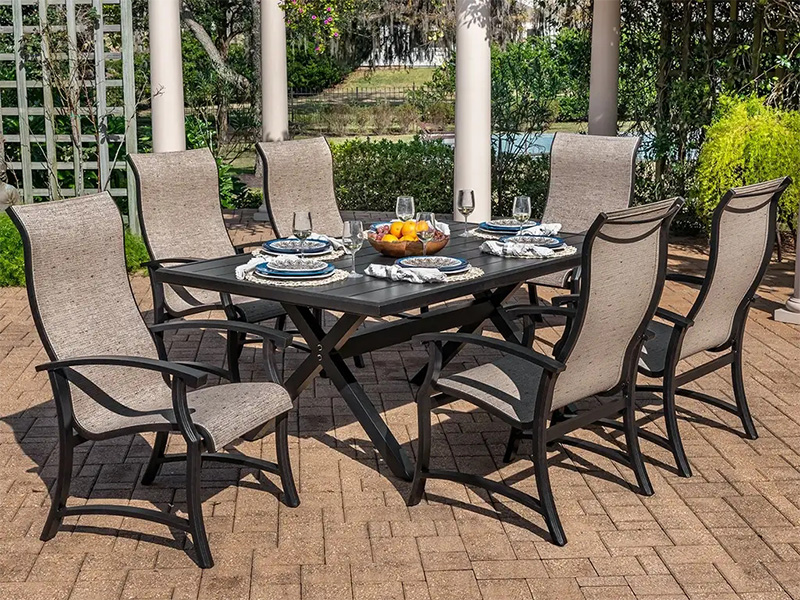
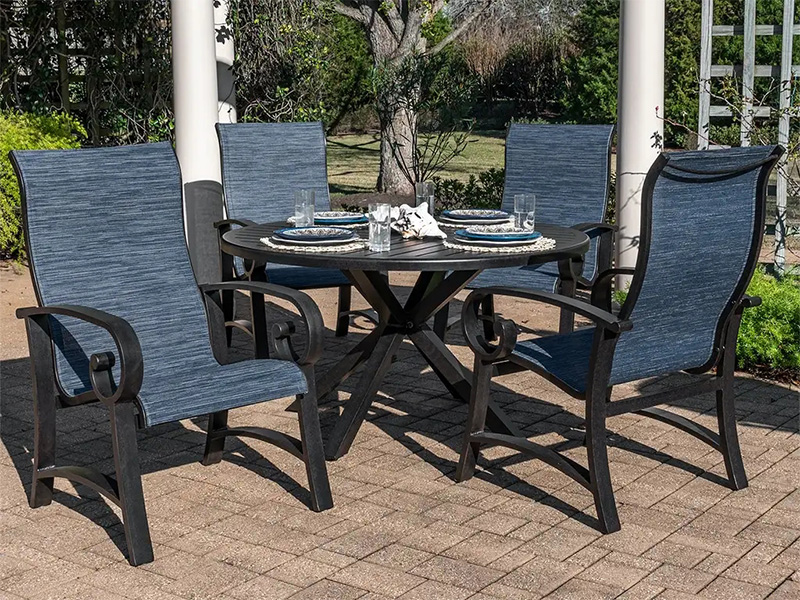
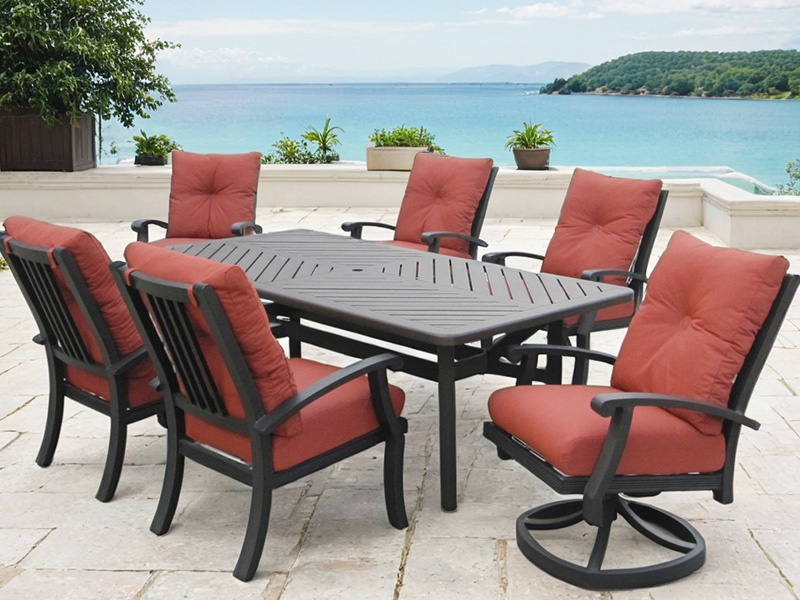
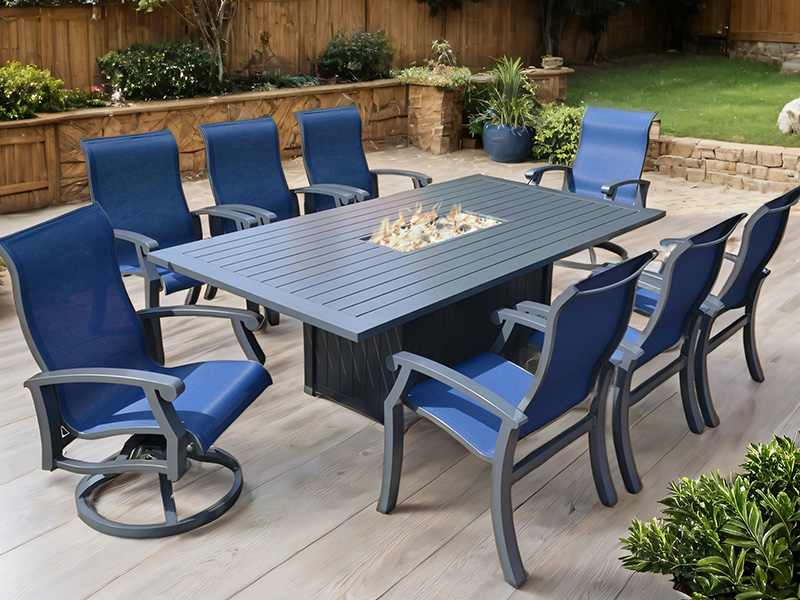
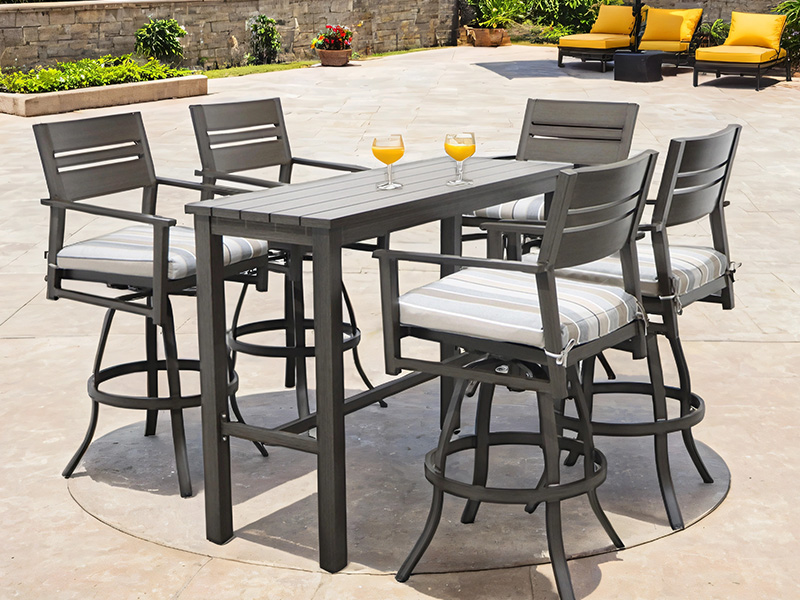
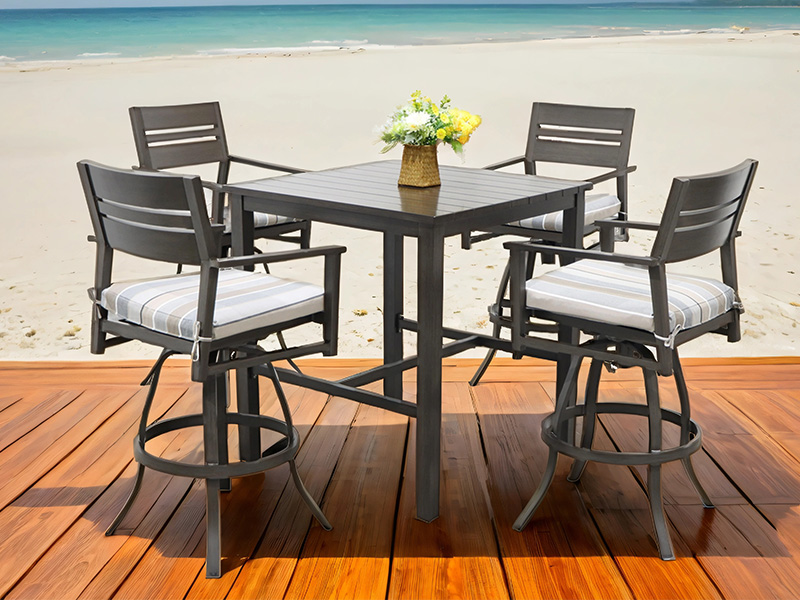
The best patio dining table balances weather-resistant material, proper size, functional design, and low maintenance to fit your outdoor space and lifestyle. For most households, a lightweight, rust-proof, and easy-to-clean table offers long-term value and consistent usability.
Whether you have a small balcony, a spacious backyard, or a cozy patio, your ideal table should support daily meals, family gatherings, and seasonal weather changes without warping, fading, or deteriorating quickly. Investing in a high-quality patio dining table improves your outdoor living experience and extends the functional space of your home.
Material is the most critical factor determining the durability, weight, maintenance, and lifespan of a patio dining table. Outdoor furniture faces sunlight, rain, wind, and temperature changes, so material selection directly affects long-term use.
Aluminum is one of the most popular materials for modern outdoor dining tables due to its rust resistance and lightweight structure. It does not corrode in wet environments, making it suitable for rainy or coastal areas.
Most aluminum tables feature powder-coated finishes that prevent fading and scratches. They are easy to move, clean, and store, ideal for people who frequently rearrange their outdoor space. The only downside is that solid aluminum may feel less sturdy than heavier materials, but reinforced designs solve this issue effectively.
Teak is a premium hardwood known for exceptional natural weather resistance. It contains natural oils that repel water, resist insects, and prevent rotting, even after years of outdoor exposure.
Teak tables develop an elegant silver-gray patina over time, which many homeowners prefer. They offer a classic, luxurious appearance and strong structural stability. However, teak requires periodic oiling if you wish to maintain its original golden color, and it carries a higher price point than other materials.
High-quality synthetic wicker is designed for outdoor use and mimics the natural look of rattan. It is UV-resistant, water-resistant, and does not crack or fray like natural wicker.
Wicker tables bring a casual, bohemian, or coastal style to patios. They are lightweight and blend well with outdoor cushions and decorative elements. Most wicker tables have aluminum frames inside for extra stability, ensuring they remain durable and long-lasting.
Plastic and resin tables are the most affordable and low-maintenance option. They are completely waterproof, stain-resistant, and easy to wipe clean. Modern resin tables mimic the texture of wood or wicker without the associated upkeep.
These tables are ultra-lightweight and suitable for temporary use, small balconies, or budget-focused setups. While they may not offer the premium feel of wood or metal, they provide reliable functionality for casual outdoor dining.
Tempered glass tops create a sleek, modern, and spacious visual effect. Glass does not fade or stain and can be cleaned quickly with a cloth. Most glass tables have aluminum or stainless steel frames for stability.
Glass tops can become hot under direct sunlight and may show fingerprints or water spots more visibly, but regular cleaning keeps them looking new. They are ideal for contemporary patio designs and small spaces where visual openness is important.
Size is a practical factor that affects comfort, traffic flow, and usability. A table that is too large crowds the space, while one that is too small fails to meet dining needs.
Before purchasing a patio dining table, measure the length and width of your designated dining area. Leave at least 70-100cm of clearance around the table for chairs, walking, and opening umbrellas. This ensures comfortable movement without feeling cramped.
For small balconies or compact patios, round or square tables under 100cm work best. For medium to large backyards, rectangular or oval tables accommodate more people while maintaining a balanced look.
The number of family members or guests you plan to host determines the ideal table capacity. Below is a practical guide for reference:
Different table shapes create distinct atmospheres and fit various spatial layouts. Choosing the right shape improves both aesthetics and functionality.
Round tables encourage conversation and create an intimate, friendly dining environment. They have no sharp corners, making them safe for children and ideal for small patios or corners.
They work well with small seating sets and fit easily in limited spaces. Most round tables include a center hole for patio umbrellas, adding versatility for sunny days.
Square tables offer a clean, structured look that matches modern and minimalist outdoor designs. They are perfect for four people and fit neatly against walls or in corner spaces.
Square tables are easy to pair with matching chairs and create a symmetrical, organized appearance. They are highly practical for daily family meals and small gatherings.
Rectangular tables are the most versatile option for larger groups and long patios. They fit well against garden walls, under pergolas, or beside outdoor kitchens.
They provide ample surface area for plates, drinks, and centerpieces. Many rectangular models include extension leaves to accommodate extra guests during holidays or parties.
Oval tables combine the spaciousness of rectangular designs with the smooth curves of round tables. They reduce sharp edges while offering plenty of seating room.
Oval shapes soften the overall look of a patio and work well in traditional, rustic, or transitional outdoor styles.
Modern patio dining tables include functional features that boost convenience and adaptability. These features make outdoor dining more comfortable and efficient.
Nearly all outdoor dining tables include a central umbrella hole to block sunlight and light rain. A matching cap covers the hole when the umbrella is not in use, maintaining a smooth table surface.
This feature is essential for areas with strong sunlight, as it allows you to create shade without permanent fixtures.
Extendable tables start at a compact size and expand to host additional guests. They are ideal for households that host occasional gatherings but want to save space daily.
Most extension mechanisms are easy to operate and do not require tools, making them highly user-friendly.
High-quality patio dining tables have protective finishes that resist UV rays, water, stains, and scratches. These finishes keep the table looking new for 5 years or longer with minimal maintenance.
Foldable or stackable tables are perfect for seasonal use, small storage spaces, or rental properties. They can be quickly set up for events and stored away when not needed.
Proper maintenance extends the life of your patio dining table and preserves its appearance. Most outdoor tables require simple, regular care rather than complex treatments.
Wipe the table surface with a soft cloth and mild soap solution to remove dust, food residue, and stains. Avoid abrasive brushes or harsh chemicals that may damage finishes.
For glass tops, use a glass cleaner to remove streaks and maintain clarity. For wood tables, use wood-friendly cleaners to protect natural fibers.
During harsh winters or heavy rainy seasons, cover your table with a waterproof, UV-resistant furniture cover. If possible, store it in a garage, shed, or covered area to reduce exposure to extreme weather.
Teak and other hardwoods benefit from annual oiling to maintain color and water resistance. Metal tables may require occasional inspection for rust spots, especially in coastal regions.
A cohesive outdoor dining space relies on harmony between the table, chairs, and decor. The right combinations elevate comfort and visual appeal.
Standard patio dining tables have a height of 70–75cm, matching standard dining chairs. For counter-height tables, use counter-height stools to ensure comfortable seating.
Leave enough space between chairs to allow people to sit and stand easily. A general rule is to allow 60cm of width per chair at the table.
Modern metal and glass tables pair well with minimalist, slim-profile chairs. Wooden tables match rustic, woven, or upholstered outdoor seating. Wicker tables complement cushions in neutral, coastal, or tropical tones.
Consistent color schemes create a polished look. Neutral tones like gray, black, white, and natural wood work with most outdoor environments.
The table below compares the most popular patio dining table types to help you make a quick and informed decision.
| Material | Durability | Maintenance | Best For |
|---|---|---|---|
| Aluminum | High | Very Low | All climates, modern spaces |
| Teak Wood | Very High | Medium | Luxury, classic patios |
| Synthetic Wicker | High | Low | Casual, coastal, boho styles |
| Resin/Plastic | Medium | Very Low | Budget, small spaces |
| Tempered Glass | High | Low | Modern, sleek designs |
A patio dining table is more than a piece of furniture—it is a centerpiece for outdoor living, meals, relaxation, and socializing. Using it effectively enhances your quality of life.
Use your patio dining table for breakfast, brunch, or dinner to enjoy fresh air and natural light. Outdoor meals improve mood and create a peaceful break from indoor routines.
The table serves as a hub for friends and family gatherings, barbecues, holiday meals, and weekend parties. It provides a dedicated space for eating, drinking, and conversation.
When not used for meals, the table can support remote work, reading, crafting, or gardening activities. It expands your home’s functional space into the outdoors.
Decorate the table with seasonal centerpieces, candles, flowers, or lanterns to celebrate holidays and changing seasons. This adds personality and charm to your patio.
Before finalizing your purchase, review this checklist to ensure you choose the best possible patio dining table for your needs:
By following this guide, you will select a patio dining table that combines durability, comfort, style, and functionality for years of reliable outdoor use.
Sep 25, 2025-BY ADMIN

Sep 25, 2025-BY ADMIN
Sep 25, 2025-BY ADMIN
Sep 25, 2025-BY ADMIN




 English
  Français
  Español
  Deutsch
  عربى
عربى